
 Most contractors spend the winter trying to catch their breath after a long season. The phones slow down, jobs wrap up, and the freeze puts outdoor work on pause. It’s the one stretch of the year where you can actually step back and look at your equipment without the pressure of a deadline.
And that’s exactly why winter is the best time to upgrade your stucco pump, mortar sprayer, or cement grout pump.
If you’ve been pushing an older pump through the last few seasons — nursing worn hoses, dealing with clogs, or coaxing it through long spray days — winter is the window where you can fix the problem without sacrificing production. A good upgrade doesn’t just make next season easier; it pays for itself in the first few months of heavy work.
Here’s why smart contractors use the off-season to get their pumping equipment dialed in.
1. Downtime Is Cheaper in the Winter Than in May or June
Every contractor has lived this scenario:
Your pump suddenly loses pressure halfway through a stucco coat… and now you’re scrambling. You’ve got a crew standing around, material setting up in the hopper, and a customer wondering why the schedule just changed.
Winter is the one time of year where downtime doesn’t cost you thousands of dollars a day. You can schedule upgrades, repairs, or replacements when your crews aren’t on job sites waiting for equipment to fire up.
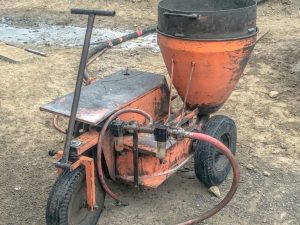
If your Carrousel® Pump, QUIKPUMP™, or Mini-Pump has already put in years of service, winter is the smartest time to decide whether it needs rebuilding parts — or replacement altogether.
2. You Can Test New Equipment With Your Actual Material Before Spring Starts
Every mix behaves differently. Stucco with heavy aggregate. Plaster with fine sand. Fiber-reinforced repair mortar. Fireproofing coatings. Pool plaster. Shotcrete-style overlays.
Trying to test a new pump during peak season is nearly impossible.
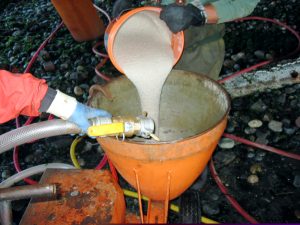
Winter gives you the breathing room to send us your material, get a free compatibility test, and see video of your actual mix running through a Quikspray® pump. No guessing. No stress. No “I hope this works when we’re three stories up on scaffolding in April.”
This one step alone can prevent an entire season of equipment headaches.
3. You’ll Catch Wear Parts Before They Become Mid-Season Failures
Every pump — even the strongest peristaltic systems — has wear parts.
- Hoses
- Blades
- Couplings
- Tubes
- Spray gun orifices
All of them slowly wear down over the season. You don’t always notice the performance drop when you’re working every day… until you suddenly do.
Winter is the perfect time to:
- Pull hoses and inspect internal wear
• Replace tubes before they split mid-job
• Refresh blades to restore pumping efficiency
• Swap out aging spray gun components
Contractors who do this in winter don’t deal with “emergency repairs” in the middle of a busy week when stores are closed and shipments take too long.
4. Upgrading Your Pump Now Helps You Bid More Confidently Next Season
If your equipment struggled last year, you probably adjusted your bids to match its limitations — shorter spray windows, slower output, extra labor.
A pump upgrade changes that. A dialed-in Carrousel® Pump or properly powered mortar sprayer lets you:
- Take on bigger stucco or plaster projects
• Bid tighter schedules
• Reduce crew size on spraying days
• Improve finish quality (which boosts referrals)
Better equipment doesn’t just save time — it expands what you can confidently bid on.
5. You Have More Power Options Available in the Winter
Contractors often scramble for the right power option at the start of spring. Sites with no 220V access, jobs that require pneumatic power, or long-run stucco crews that need continuous hydraulic performance all require planned equipment setups.
Winter is when you can evaluate:
- Whether 110V held up last season
• If 220V electric is worth it for higher-capacity stucco and plaster jobs
• Whether pneumatic power is the smarter choice for commercial production
• If hydraulic makes sense for the heavy-duty mixes you’re taking on
This is also when you can reconfigure guns, choose the right hose diameters, and upgrade components without delaying a job.
6. Manufacturers Actually Have Time to Help You During the Off-Season
This one surprises a lot of contractors.
Spring and summer are the busiest months for equipment calls. Everyone needs parts, service, gun rebuilds, troubleshooting, and new units — all at the same time.
Winter is when you get:
- Faster response times
• Better availability for custom configurations
• Quicker shipping
• More hands-on help choosing the right pump
If you’re planning to switch to a bigger pump, a different power option, or new spray guns… winter is your best window to talk through the details with the Quikspray® team.
7. You Start the Season With Confidence Instead of Anxiety
Most contractors admit the same thing quietly: The first big stucco or plaster job of the year is nerve-wracking when you’re using equipment that barely survived last season.
A fresh pump or properly rebuilt setup eliminates that stress on day one.
You start the year with:
- Reliable output
• Clean, predictable spray patterns
• Faster coverage
• A crew that trusts the equipment
• No hidden problems waiting to surface mid-job
That confidence alone sets the tone for the season.
8. Equipment Investments Usually Pay for Themselves by Summer
A well-matched mortar sprayer or stucco pump saves:
- Labor hours
• Mixing downtime
• Cleanup time
• Rework from inconsistent finishes• Equipment repairs
• Callbacks
Contractors who upgrade in winter often tell us the equipment paid itself off by mid-summer simply from reduced crew hours and fewer job delays.
If you’ve been pushing through slow output, clogs, or weak spray patterns… that extra efficiency adds up fast.
Thinking About Upgrading? Here’s the Right Winter Checklist
If winter is your equipment reset season, use this list:
- Are your mixes changing next year?
• Do you need more output for bigger stucco or plaster jobs?
• Did your current pump clog with fiber mixes?
• Do you need better portability?
• Are you adding commercial work that requires pneumatic or higher-capacity setups?
• Did your spray guns struggle with thick coats last season?
If you answered “yes” to even one of those, winter is the time to make the adjustment — not mid-season when you’re already behind schedule.
Need to Test Your Material Before Buying?
We’ll test your mix at no cost and send you video of it running through the pump. This alone can prevent a season of frustration.
Ready to Upgrade Before Spring?
If you want next season to start smoother — faster jobs, fewer clogs, better spray quality — winter is absolutely the time to evaluate your equipment.
Contact Quikspray® and we’ll walk you through:
- Which pump fits your actual material
• Whether you need 110V, 220V, pneumatic, or hydraulic
• What hose and gun setup is right for your crew
• Whether to repair or replace your current system
We’ll keep it simple, honest, and tailored to the work you actually do.